KULTUR // KWIET NOISE — PAGE 01Cover

KULTUR
N°6
MONSTER XL LIVED IN EDITION
KWIET NOISE — EARLY EDITION

[COVER STRAPLINE — EDIT ME]
KULTUR · KWIET NOISE · No. 6 — EARLY EDITION01
HOW TO PRINT THE PDF: click ⇩ Download PDF above — the whole issue saves as a black-and-white PDF. Or press Ctrl+P (⌘P on Mac) and choose "Save as PDF".
EARLY EDITION — working draft. Every bracketed block is a placeholder.
Early edition: turn on ✎ Edit Pages, then click any [ … EDIT ME ] block and type over it, or click any photo to swap in your own.
N°6
MONSTER XL LIVED IN EDITION
KWIET NOISE — EARLY EDITION
[COVER STRAPLINE — EDIT ME]
No. 6 — Story One
[BYLINE — EDIT ME]
[SIDE COPY — EDIT ME]
[BODY COPY — EDIT ME]
[BODY COPY — EDIT ME]
No. 6 — Feature
[STANDFIRST — EDIT ME]
Words: Barnz
[BODY COPY — EDIT ME]
[BODY COPY — EDIT ME]
[BODY COPY — EDIT ME]
No. 6 — Story Two
Denizen of Ramsgate, near neighbour of Adrian Sherwood and colleague of Lee ‘Scratch’ Perry. Founder of Stupid Babies with his brother at age 11, played on John Peel, and sound sculptor of ‘NRG’ — a killer tune.
Words: Barnz
[SIDE COPY — EDIT ME]
[SIDE COPY — EDIT ME]
FOREWORD
I met Adam in 1989. It was New Year's Eve, the last night of the decade, and somehow the party didn't stop for the best part of a week. Adam, me, and Nat Finkelstein, the photographer who'd hung around Warhol's Factory, all stayed awake from the tail end of the eighties well into 1990.
Nat was twenty-odd years older than us. It turned into a bit of a competition. Needless to say, the old boy won.
Nevertheless, me and Adam became friends. We made music together, shared clothes, the lot.
Adam's adventures around the world have taken him as far as Venezuela. These days he's settled in Ramsgate, where he makes music with his friends and his wife and is constantly experimenting with new sounds and new styles. He's a regular collaborator with the legendary Adrian Sherwood, and he's made some properly interesting experimental music over the last four decades.
He's a good lad. Here's an interview I did with him yonks back.
— Barnz
ADAMSKI — CONTINUED
He was the boy-wonder of the acid house rush, the kid who went from forty people in a Kentish Town restaurant to eight thousand on a drag strip in three weeks flat. Now, thirty-odd years on, Adamski has turned his back on the four-to-the-floor stomp altogether and given his soul to the waltz. BARNZ steps into three-quarter time and finds a man who never stopped being eleven years old with a demo tape in his pocket.
Let's get one thing straight before the needle drops. Adam Tinley, known to the nation's dancefloors for a generation as Adamski, has not gone soft. He has not retired to the conservatory with a box set of Strauss and a cardigan.
What he has done is something altogether stranger, more perverse and, in its own peculiar way, more punk rock than anything the rave generation coughed up in its long, chemical decline. He has abandoned the 4/4 beat. Completely. On principle.
"I only work in the waltz time signature now," he tells me, with the serene conviction of a convert who has seen the light and found it flickering in threes. "It actually makes me fifty times more prolific, because I've just got that focus."
Fifty times. You'd laugh, if the man's track record didn't make the claim sound almost modest.
ADAMSKI — CONTINUED
The history lesson comes first, delivered with the zeal of a man who has spent too many nights in the archive and enjoyed every one of them.
"The original dance underground was the waltz," he says. "It was scandalous. It really upset people when it evolved out of Vienna in the middle of the eighteenth century."
You can see where this is going. Couples clutching each other in public, spinning till they're dizzy, the moral guardians of the day choking on their snuff. Swap the ballroom for a disused warehouse off the M25 and the snuff for something stronger, and you've got 1988.
"I just saw the parallels with the warehouse and rave culture that happened here in the eighties," he says. "And I'm drawn to that rhythm. It's in kind of all music, apart from contemporary electronic music. Which is what I make. And I got sort of bored shitless of making the same old beats for thirty years."
"I got sort of bored shitless of making the same old beats for thirty years."
There it is. Not a marketing angle, not a concept dreamed up in a label meeting. Boredom, that most honourable of artistic engines. So he started digging, got "kind of obsessed", and came out the other side with a dogma.
The fruits of that obsession are a parade of collaborators that reads like the guest list at the best party you were never invited to. Lee "Scratch" Perry. Daddy Freddy. Congo Natty. Asia Argento. Bishi. "Well, obviously a lot of Jamaican people," he shrugs, as if that needed explaining.
And the packaging. Lord, the packaging. Ten ten-inch records, housed in bespoke boxes sourced from Vienna and modelled on those that carry the Sachertorte, the city's famously decadent chocolate cake.
"I don't know where the ten-times-ten concept came from," he admits. "But I love things with numbers. In Roman numerals it's X, X, X. I love things like that."
Triple X. Of course it is.
What's inside, he says, is "a big mishmash of everything that's ever excited me in my life, from glam rock through to grime." And it doubles as a quiet act of remembrance. The ghosts of Leigh Bowery and Poly Styrene drift through these grooves.
"It's not just people from dance culture," he says. "It's colourful, characterful people." Which, when you think about it, is as good a description of Adamski himself as you're likely to find.
ADAMSKI — CONTINUED
To understand the waltz you have to go back to the beginning, and the beginning comes early. Guitar at nine. Demo tapes at eleven, posted off to record labels with the shameless optimism only a child can muster.
One of them landed at Fast Product, the Edinburgh imprint run by Bob Last, manager of the Human League. A label that had put out the Mekons, the first Dead Kennedys release, Gang of Four. A proper punk independent, in other words, and here was a schoolboy and his little brother knocking on the door.
The guiding spirit was not Johnny Rotten or Sid. It was the man behind the curtain.
"That was the time of The Great Rock 'n' Roll Swindle," he says. "I was massively into Malcolm McLaren. Great as the Sex Pistols all were individually, I sensed he was the guy that made it all happen. I identified more with what he did, his situationist stuff."
What thrilled him about the Swindle was its sheer promiscuity: disco, classical, rockabilly, punk, all jammed together on one record. "You didn't have to be an angry, amphetamine-fuelled teenager to be punk rock," he says. "It was just about doing what you wanted."
"You didn't have to be an angry, amphetamine-fuelled teenager to be punk rock."
So he did what he wanted. He got his kid brother to sing. He lifted one tune wholesale from a Bubblicious bubblegum advert and another from the Cockney Rejects. The result, gloriously, was called "Stupid Babies".
The advance was one hundred pounds. His parents had to sign the contract because the artists were under eighteen. "We probably could have asked for more than a hundred quid," he says, "but they didn't know about music."
And what does a pair of pre-teen punk entrepreneurs do with a windfall like that? They go halves on a piano. A real one. With what was left, a mate of his brother's soldered him together a synth from Maplin components, and the future started humming.
ADAMSKI — CONTINUED
Fast Product had also released DAF, and through them the boy discovered the stark, minimal pulse of German electronic music. It lodged somewhere deep and stayed there.
But it was school, of all places, that did the real damage. He speaks of the years 1979 to 1984 with something close to reverence. "Every six months there was something exciting," he says.
"Every six months there was something exciting."
First came 2 Tone. For a kid growing up in a small town in the forest, with no black faces anywhere, it landed like a bulletin from another planet. "They were promoting this multiracial, multicultural thing," he says. "And I think it really helped this country a lot in people's attitudes."
He credits Jerry Dammers directly, and the anti-apartheid cause the Specials man championed. "Things a little teenager in the sticks just wouldn't have known anything about."
Six months later it was the Human League and Soft Cell. Six months after that, something else. "I'm really grateful for those five years," he says. "There were just so many things."
In 1985 he made the pilgrimage to London and arrived to find the city crackling. Hip hop. Sigue Sigue Sputnik. Clubs everywhere. Then the warehouse scene, the Mutoid Waste Company's scrapyard bacchanals, and then the big one, the tidal wave that would carry him off: acid house.
What strikes you, listening to him, is how much of it he did alone. "I'm probably better when I'm just left on my own," he says, "and I go into my own little bubble. The things I've done that have gone down really well, my first instrumental tracks, I made them in my own little world. And I still go into that world now."
ADAMSKI — CONTINUED
By 1987 he had a band, Diskord Datkord, and a Roland 909, the same drum machine Mantronix used for hip hop that would soon become the heartbeat of house. But crucially, he wasn't coming at dance music the way most of his peers were.
"A lot of people in this country came into house from scenes like soul and rare groove," he says. "I came into it from... I'd take a Dead Kennedys bassline and program it in, then play jazz chords over it. I'd try to emulate the sound of the Fall or the Stranglers, some aggressive bassline. Not emulating disco."
The keyboard hooks, meanwhile, were pure 2 Tone in his own ears. He'd learned to play by bashing along to Specials and Madness records. Punk menace on the bottom, ska melody on the top. No wonder it sounded like nothing else.
The track that broke him was "Energy". He'd been road-testing it for six months, at Shoom, at Amnesia in Ibiza, at the Haçienda, and "it always got this really mad reaction."
Then came the snowball, and it moved at a speed that still seems to bewilder him. "My first gig, I was playing an after-hours thing in a restaurant in Kentish Town to about thirty, forty people," he says. "About three weeks later I was playing to eight thousand people at Santa Pod Raceway."
"About three weeks later I was playing to eight thousand people at Santa Pod Raceway."
Three weeks. From a restaurant to a drag strip. That was the acid house summer in a sentence.
The interviews and the magazine shoots followed, the hype built, and then came "Killer". He'd met a singer called Seal on the circuit. The man was desperate to sing on one of his tunes. "I just said, pick one," Adamski recalls. "And he picked that one."
The record he steered was a peculiar beast. A house record only in the sense that it had the doof-doof-doof. He had Seal phrase his vocal like Led Zeppelin. And in its original form, it had no chorus at all.
"I didn't think it needed one," he says. "But the A&R man said, you've got to go away and write a chorus." So Seal went away and came back with the "solitary brother" line, and the rest is pop history.
"It was all very... nothing was really thought out," he says. "It was just meant to be."
ADAMSKI — CONTINUED
Which brings us back, by a long and winding road, to the waltz. He has taken his "three-step", or "future waltz" as he likes to call it, back to its birthplace, playing parties in Vienna.
At first there wasn't enough of his own music to fill a set, so he bootlegged. The Stranglers' "Golden Brown". The Clash's "Rebel Waltz". Kate Bush's "Army Dreamers". "There used to be a lot more," he says. "After the eighties it just weirdly stopped."
Then comes a twist worthy of the Swindle itself. Seal's biggest song, "Kiss from a Rose", turns out to be in waltz time. So Adamski got hold of the parts and remade it for his sets. The old collaborator, folded back into the new obsession.
"Nothing was really thought out. It was just meant to be."
Most people, he points out, never even notice when a song is in 3/4. "Unless they're a dancer, or they've really studied music, they don't notice." He says it without a trace of snobbery. It's simply the secret he's been let in on, and he can't stop telling people.
"I don't know," he says. "It just sends me off on completely different tangents musically."
He has lived in Italy, Spain and Germany, and keeps a place in Venezuela, though lately it's been "a bit dangerous" to go. He has played Japan three times: once in the early nineties on keyboards for Mark Stewart on an On-U Sound tour ("which was mental"), and twice since, DJing and singing a bit.
The tape runs down. Thirty-odd years since the restaurant in Kentish Town, the kid with the hundred-quid advance is still doing exactly what Malcolm McLaren taught him: whatever he wants, in whatever time signature he damn well pleases.
One, two, three. One, two, three. Somehow, somewhere in Vienna, the moral guardians are spinning in their graves. In waltz time, naturally.
Interview by Barnz. For Wemblex / Kultur.
No. 6 — Schmillson / Continued
[STANDFIRST — EDIT ME]
[BYLINE — EDIT ME]
[SIDE COPY — EDIT ME]
[BODY COPY — EDIT ME]
[BODY COPY — EDIT ME]
POST PUNK TALES / F CLUB — PICTURES
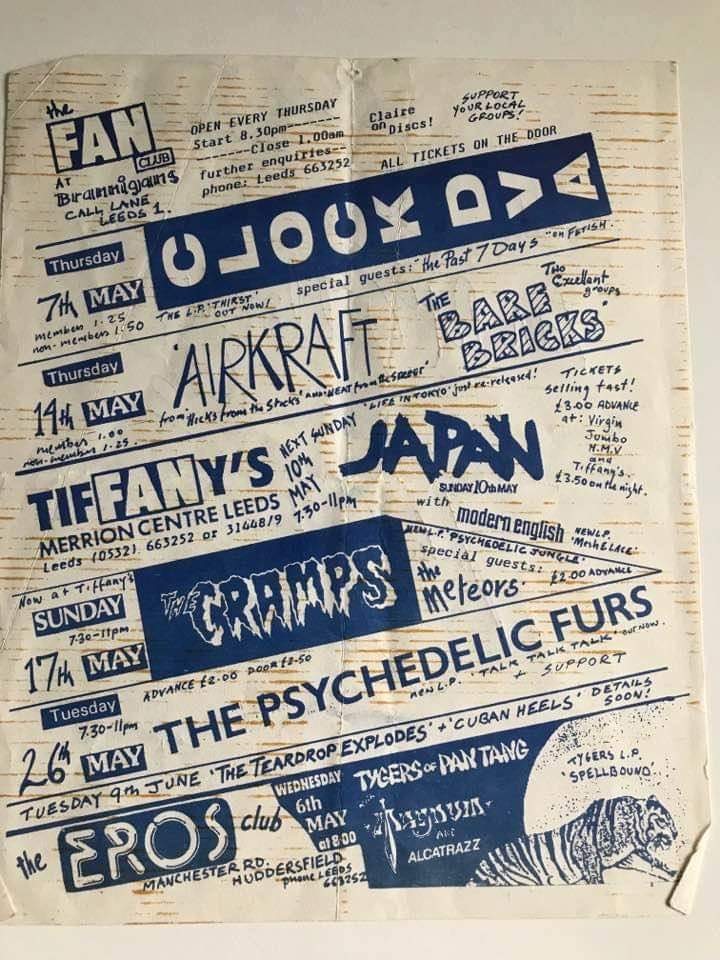
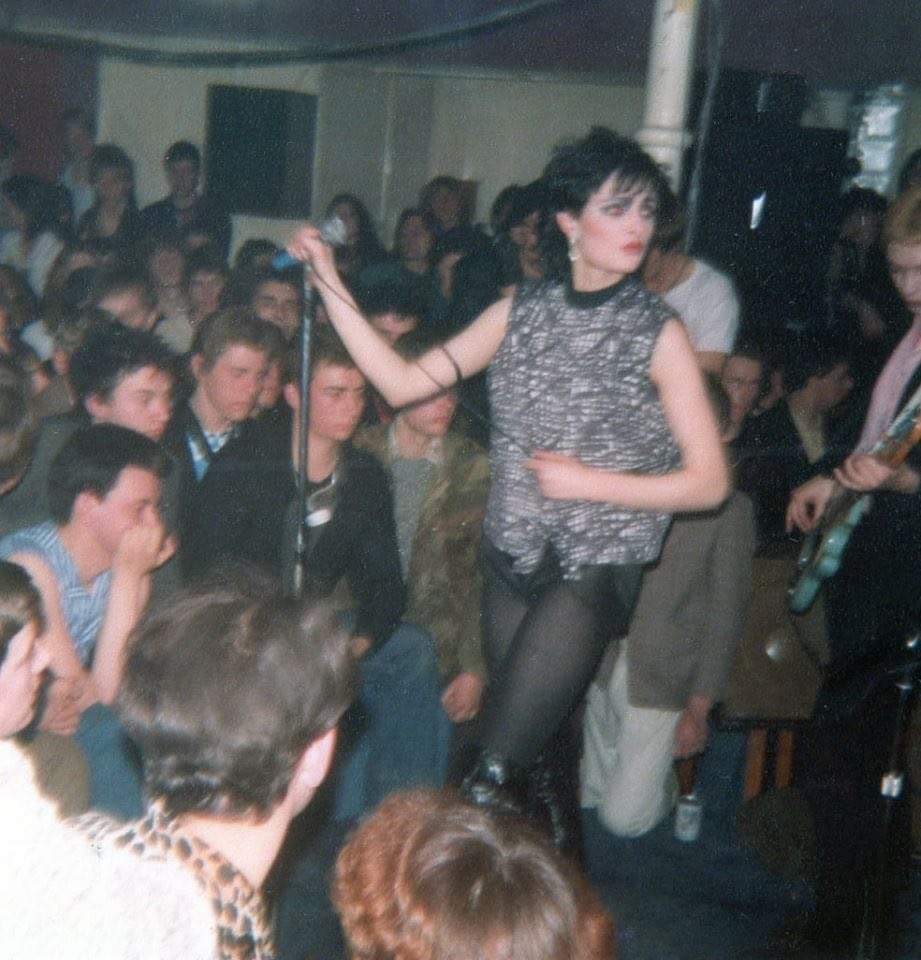
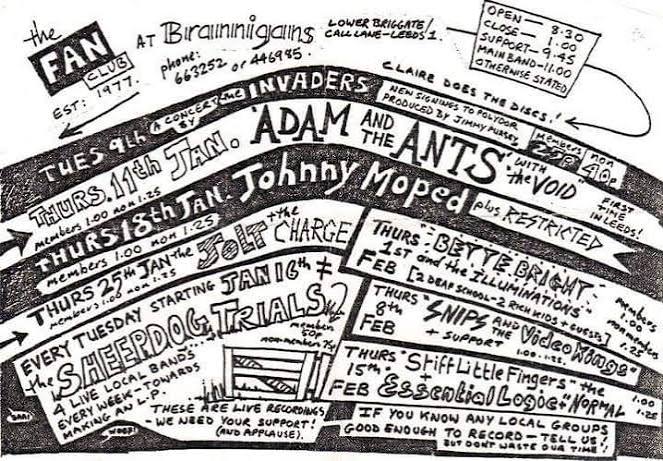
POST PUNK TALES / F CLUB — PICTURES
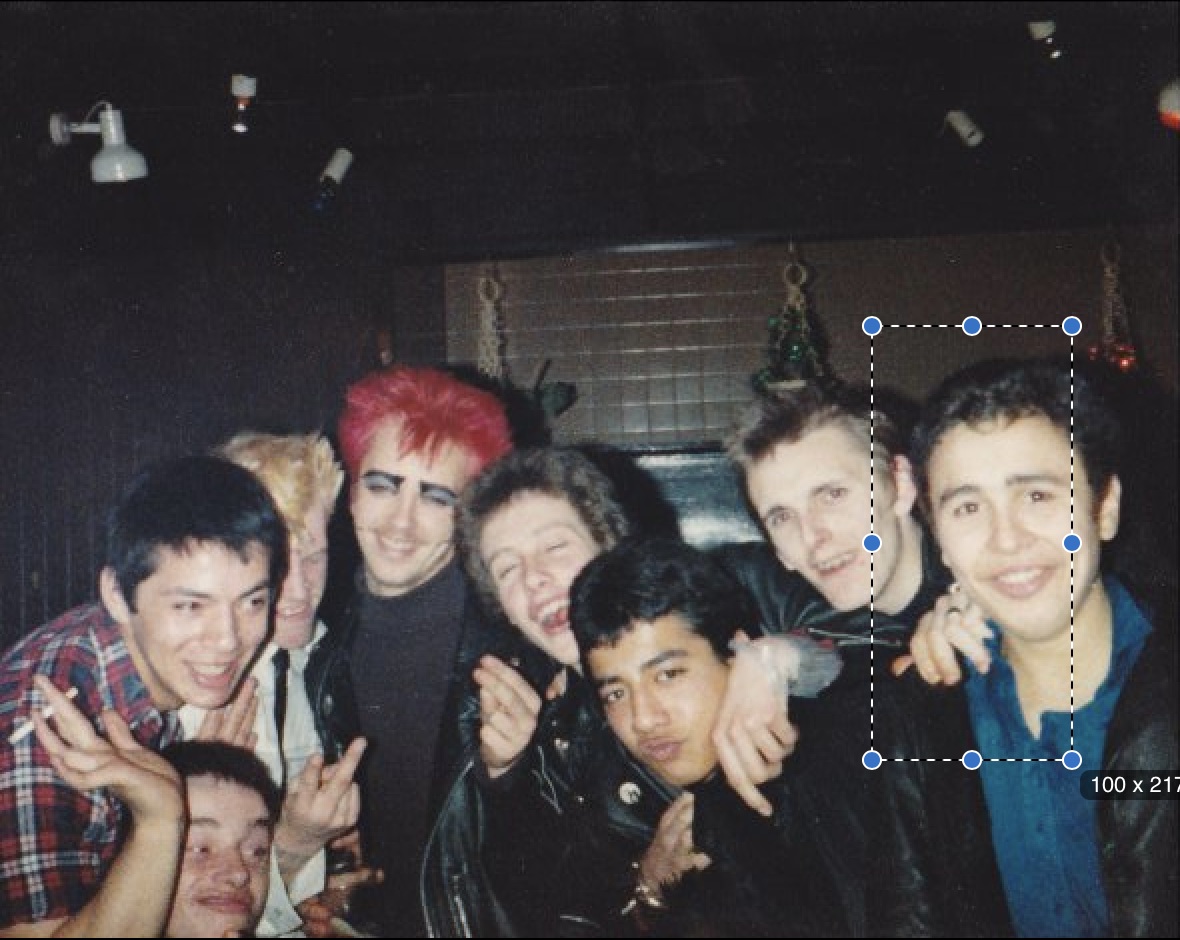
No. 6 — Post Punk Tales
Post-punk mayhem starring yours truly, The Modettes, Adam and the Ants, The Cramps, Girls at Our Best!, Killing Joke, The Banshees and… Arthur 2 Stroke and the Chart Commandos. Featuring Andrew Eldritch on the decks.
[BYLINE — EDIT ME]
[SIDE COPY — EDIT ME]
[BODY COPY — EDIT ME]
[BODY COPY — EDIT ME]
[BODY COPY — EDIT ME]
[BODY COPY — EDIT ME]
[PULL QUOTE — EDIT ME]
[BODY COPY — EDIT ME]
[BODY COPY — EDIT ME]
No. 6 — New Story One
[STANDFIRST — EDIT ME]
[BYLINE — EDIT ME]
[BODY COPY — EDIT ME]
[STORY TITLE — EDIT ME] / CONTINUED
[BODY COPY — EDIT ME]
[BODY COPY — EDIT ME]
[BODY COPY — EDIT ME]
[PULL QUOTE — EDIT ME]
[BODY COPY — EDIT ME]
Art so shiny even Diogenes would climb out of his barrel. A cheeky, entirely sincere tale of balloons, vacuum cleaners and the noble art of making ordinary things extraordinary.
TRACK A (ENGLISH TEXT):
Diogenes lived in a barrel. He owned nothing. He threw away his only cup. He was the first sworn enemy of stuff.
Walk him into a Koons show and he holds out for four seconds. Then he meets his own face, stretched across the belly of a steel balloon, and he gives in. We call this the Koons effect: the object wins the argument by showing you yourself.
TRACK B (SYMBOL TRACK):
[BARREL] → [NOTHING] → [MIRROR] → [RELUCTANT APPLAUSE]
TRACK A (ENGLISH TEXT):
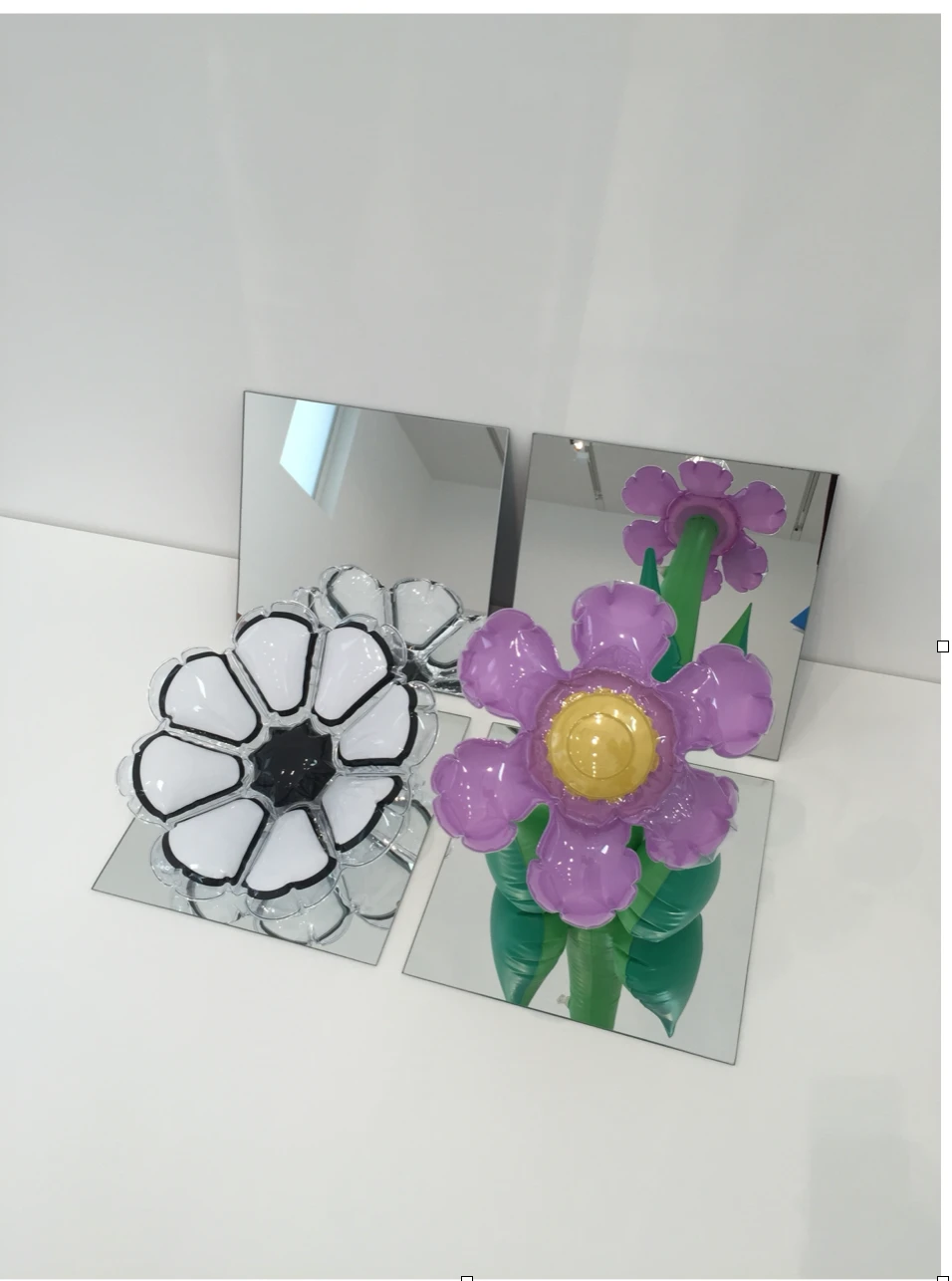
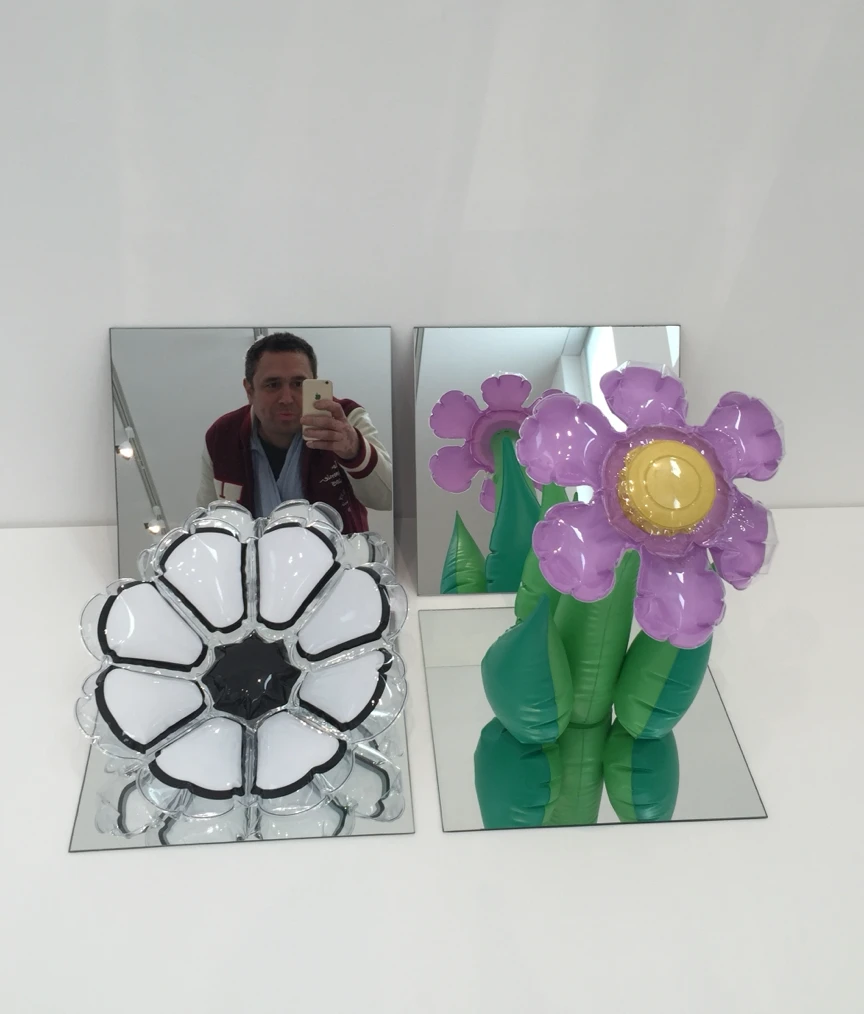
Koons did not start with marble. He started at the discount store. Late 1970s: inflatable plastic flowers, blown up by mouth, set on mirrors, declared art.
We reject the precious plinth. We demand the cheap, the squeaky, the fairground prize. The inflatable is the humblest object there is: a plastic skin, borrowed breath, a short life that ends flat in a garage. Koons saw eternity in it.
TRACK B (SYMBOL TRACK):
[DISCOUNT STORE] → [LUNGPOWER] → [MIRROR PLINTH] → [ART]
TRACK A (ENGLISH TEXT):
Before the galleries, the trading floor. Koons was a Wall Street commodities broker, and he learned what desire looks like under good lighting.
The New (1980–1983): brand-new vacuum cleaners sealed in acrylic cases under fluorescent tubes. Never switched on. Never touching a crumb. The appliance in witness protection.
1980, the New Museum, New York: two Hoovers in the storefront window. Masterpiece or shop display? The correct answer was both.
TRACK B (SYMBOL TRACK):
[TRADING FLOOR] → [HOOVER] → [PERSPEX] → [STRIP LIGHT] → [IMMORTAL]
TRACK A (ENGLISH TEXT):
1917. Marcel Duchamp signs a urinal "R. Mutt" and calls it Fountain. The readymade is born: the choosing is the making.
Koons takes the rule and runs with it. A toy, a Baroque statue, a billboard: for him, each found object is "the most objective statement possible."
Duchamp chose a urinal. Koons chose a vacuum cleaner. We call that progress. We also call it hygiene.
TRACK B (SYMBOL TRACK):
[URINAL 1917] → [SIGNATURE] → [CHOICE] → [READYMADE]
TRACK A (ENGLISH TEXT):
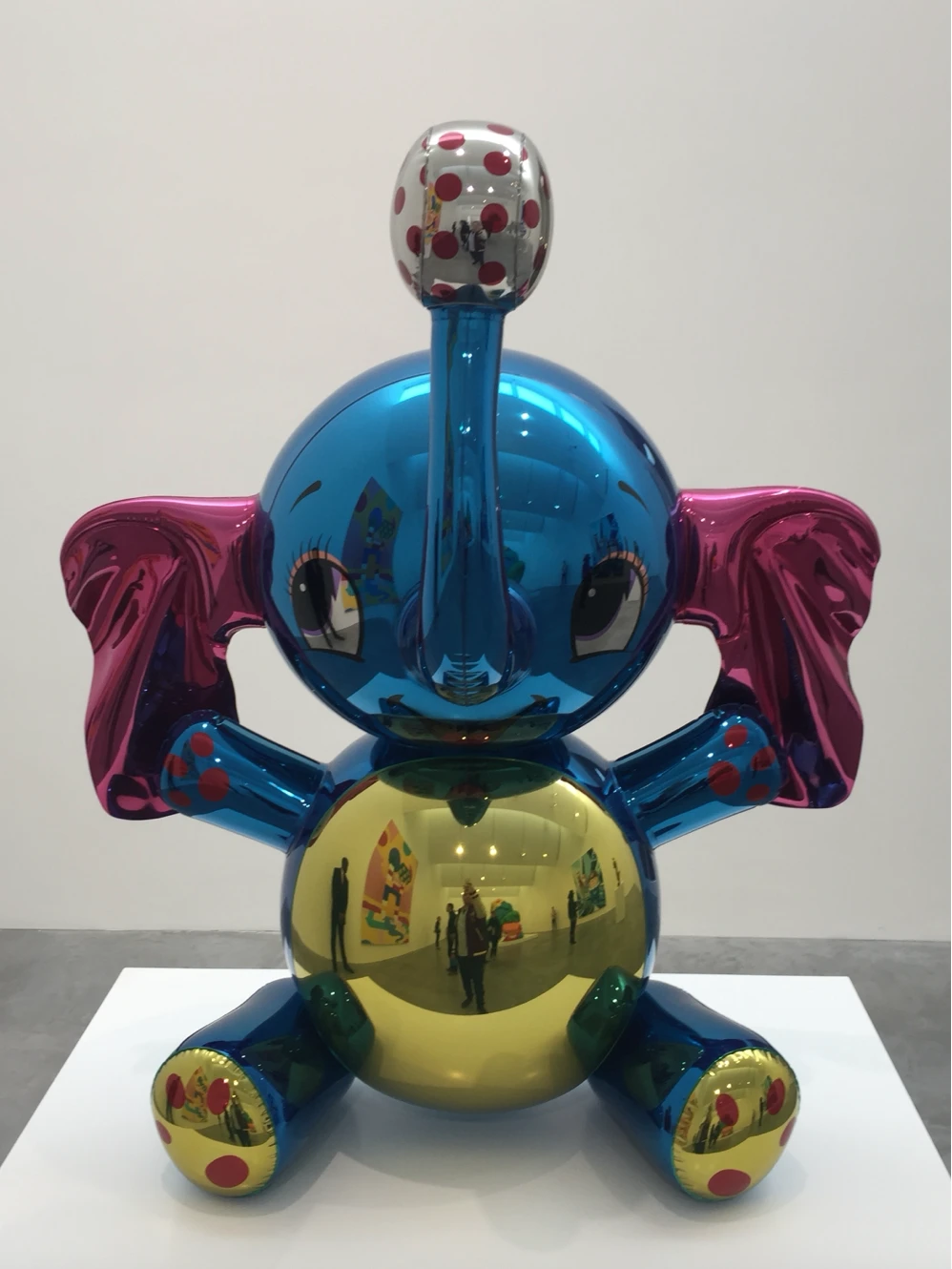
Then the inversion. What if the inflatable weighed a tonne? Balloon animals and pool toys, recast in mirror-polished stainless steel. They look one pin away from collapse. They need a crane.
Balloon Monkey (Blue) (2006–2013): a party leftover at the scale of a monument.
The surface is the message. It refuses to be looked at without looking back. Koons says it plainly:
"It's all about you."
TRACK B (SYMBOL TRACK):
[BALLOON] → [STAINLESS STEEL] → [MIRROR POLISH] → [YOU]
TRACK A (ENGLISH TEXT):
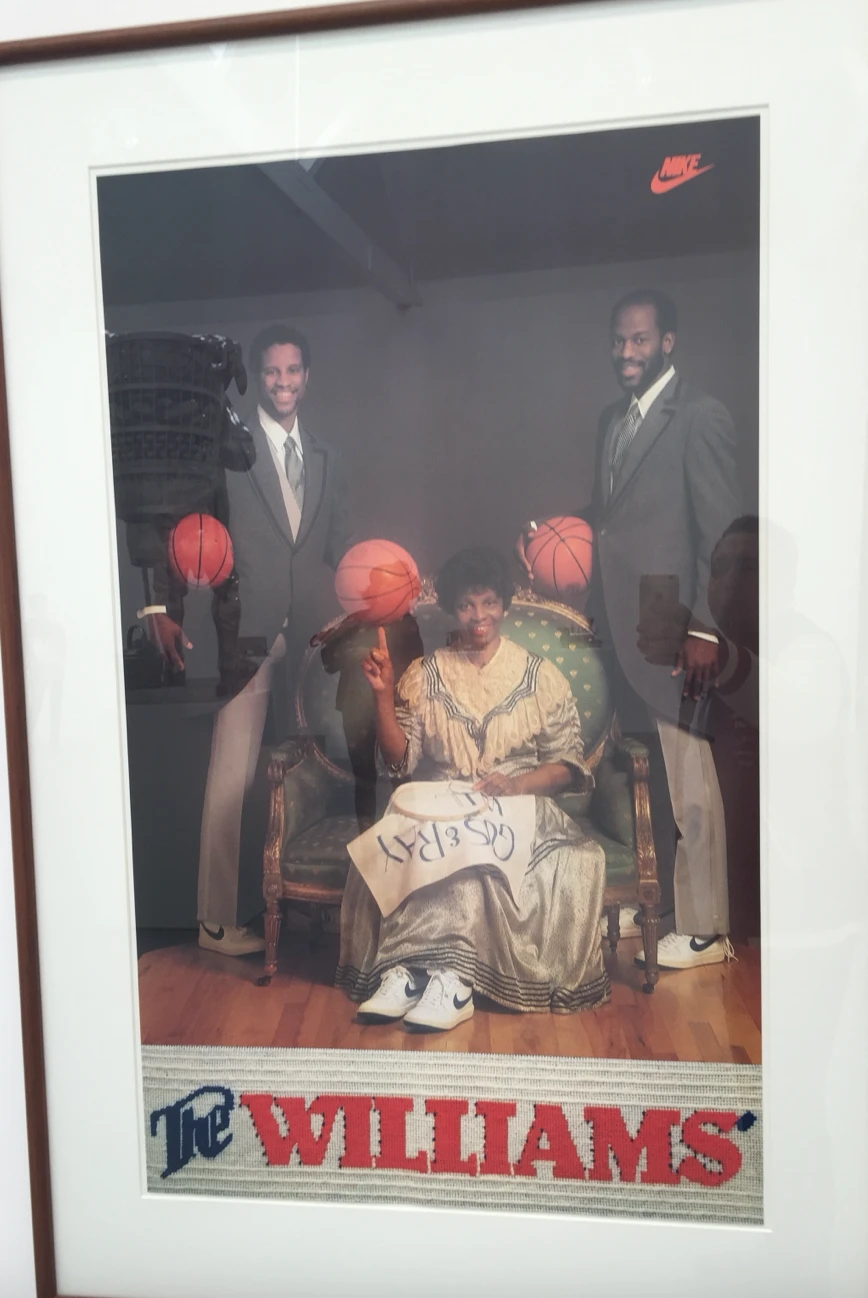
Nike posters: athletes as icons of social mobility. The swoosh as altar.
Luxury and Degradation: the same drink, sold as a yacht to one crowd and a bus shelter to another. We read the advert. The advert reads us.
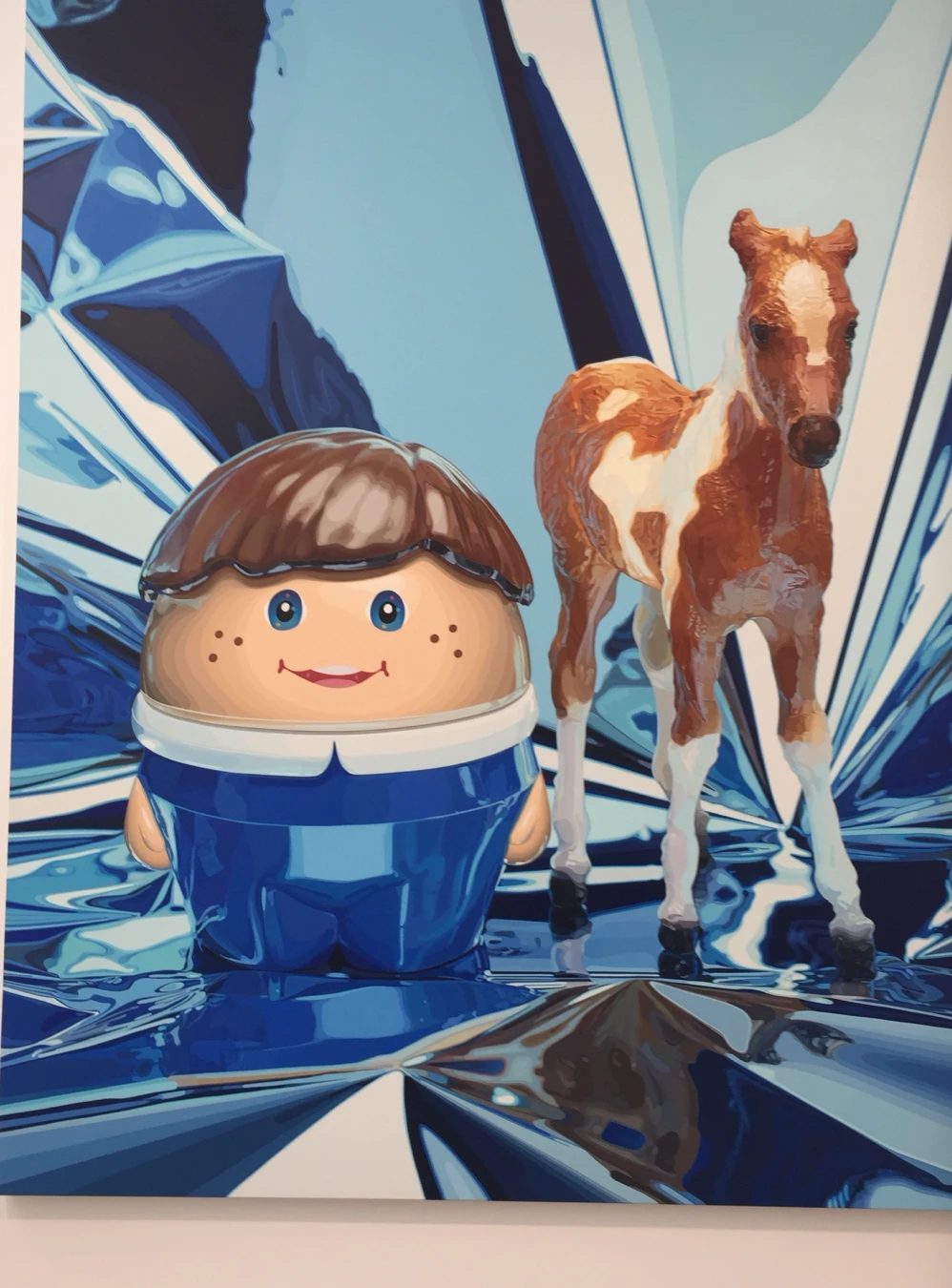
Celebration: childhood toys scaled up until nostalgia becomes architecture.
Made in Heaven: Koons and Ilona Staller ("La Cicciolina"), shame confronted head-on. Sex reframed as "the biological eternal… the continuation of life."
TRACK B (SYMBOL TRACK):
[SWOOSH] → [TOY] → [PIN-UP] → [POP AT FULL VOLUME]
TRACK A (ENGLISH TEXT):
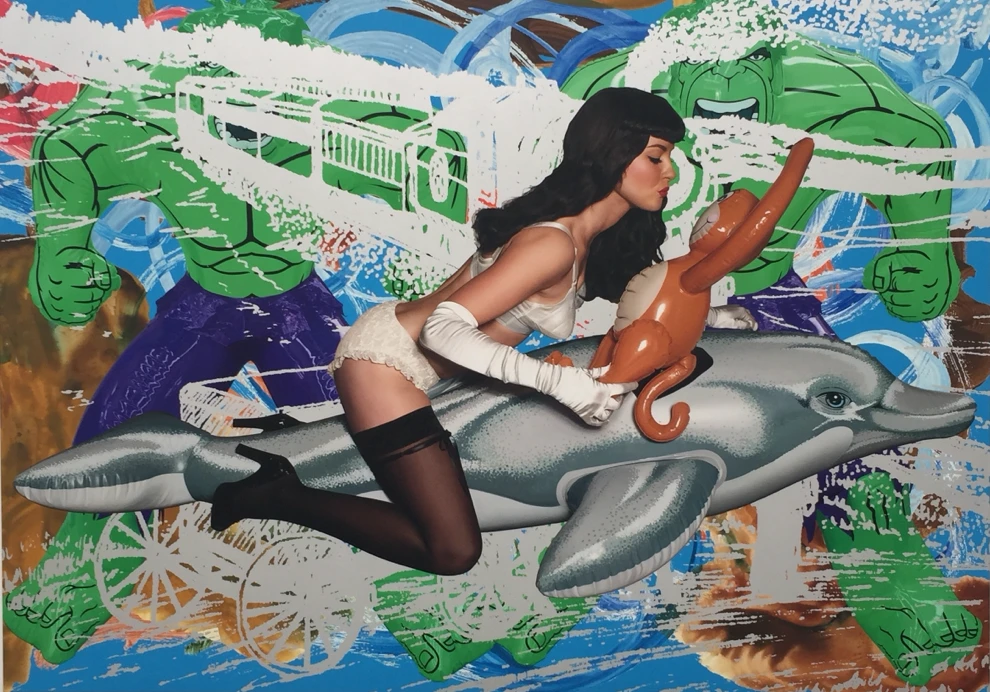
Serpentine Gallery, London. The Popeye series hits like a tin of spinach.
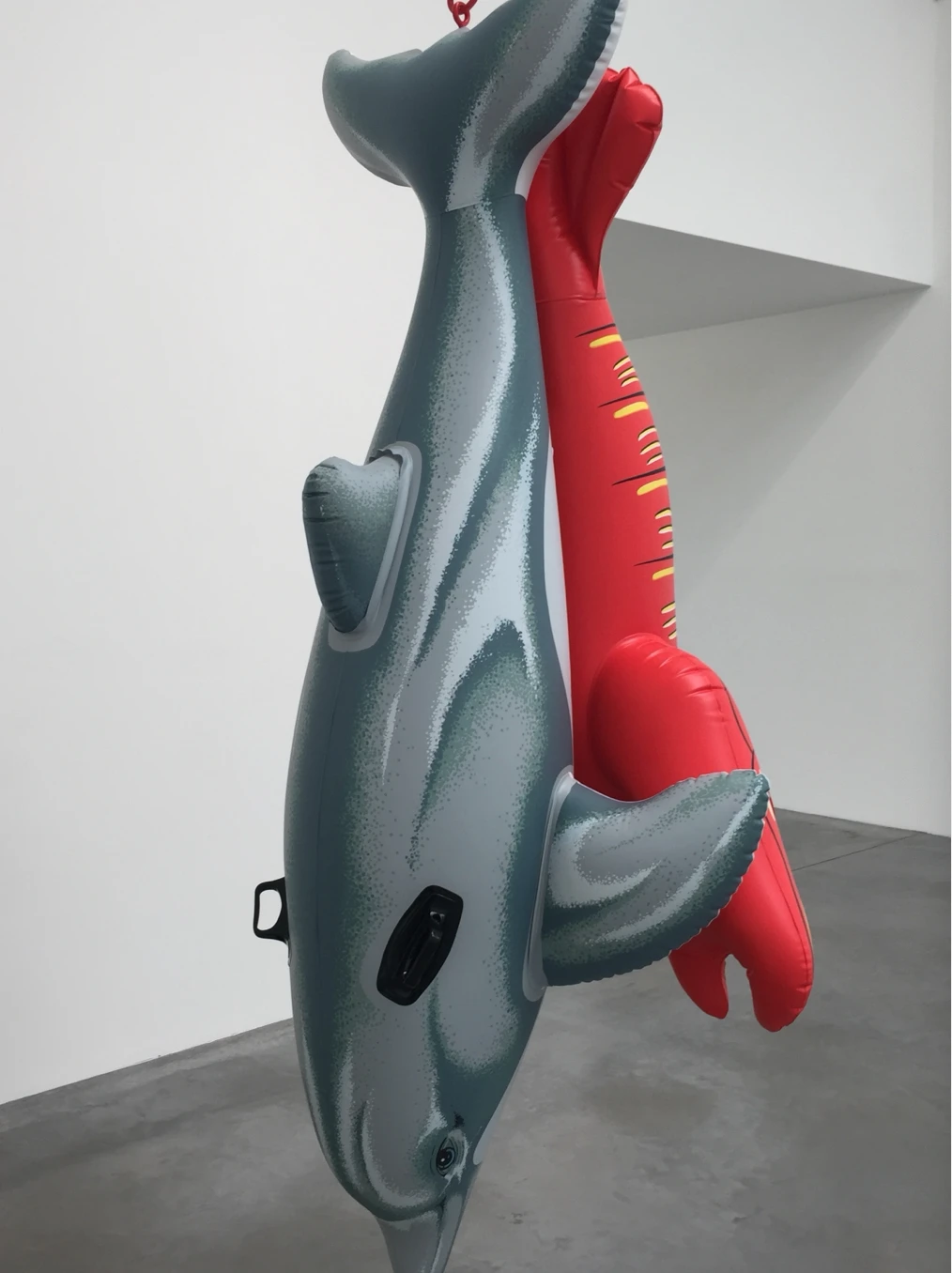
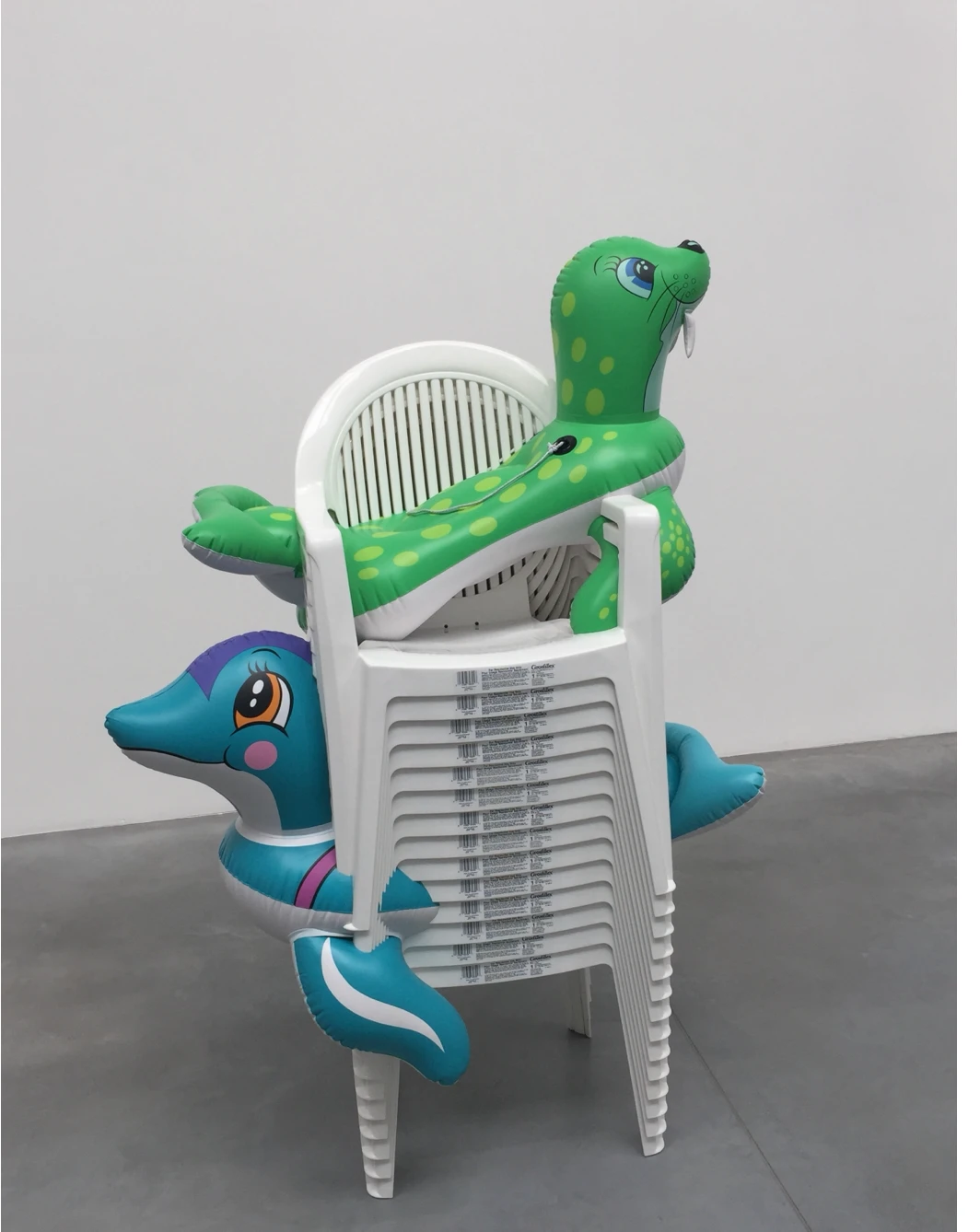
Pool toys everywhere: a dolphin hanging from a chain with a lobster on its back, a seal and a dolphin threaded through stacked garden chairs. Every one is a lie told perfectly. Cast aluminium, painted to pass as vinyl. The air has been replaced with metal. Your eyes were not informed.
TRACK B (SYMBOL TRACK):
[POOL TOY] → [ALUMINIUM CAST] → [PAINT] → [YOUR EYES, FOOLED]
TRACK A (ENGLISH TEXT):
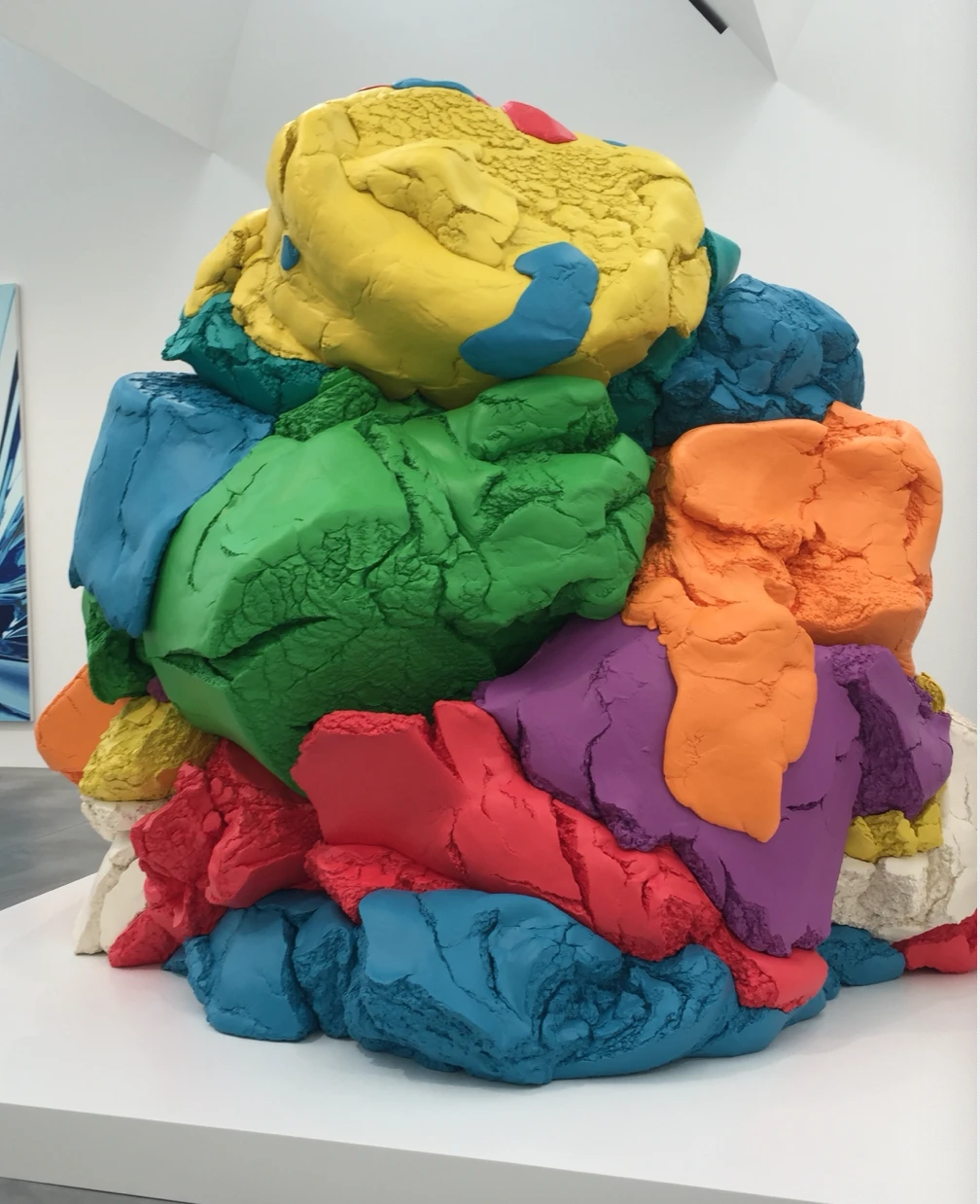
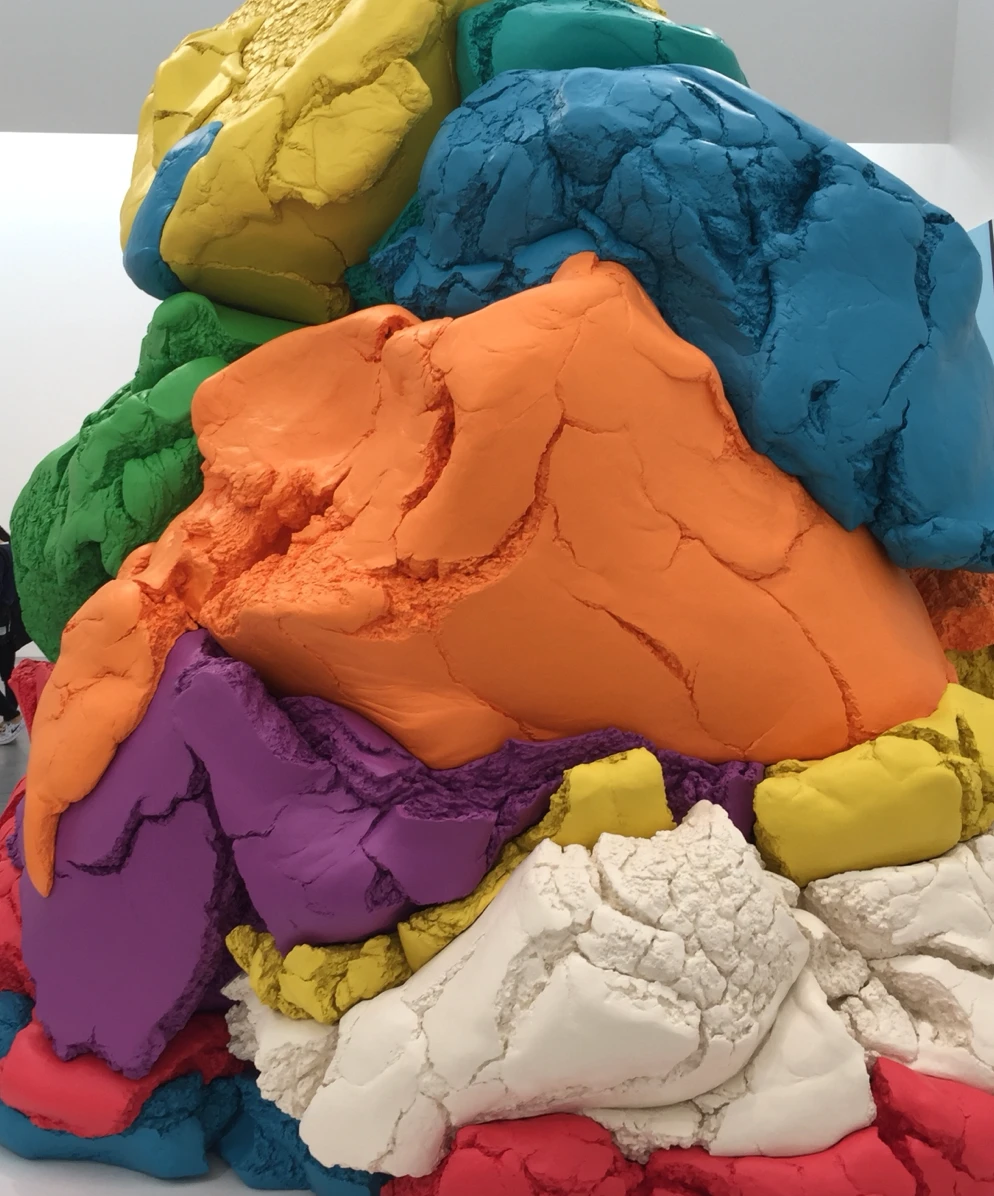
The heap. Play-Doh in every colour, lumped, cracked and squashed like an abandoned afternoon.
It took years to make. It is cast aluminium, painted by hand. We demand to touch it. The sign says no. The gap between your hand and the object is the whole work.
TRACK B (SYMBOL TRACK):
[PLAY-DOH] → [ALUMINIUM] → [HAND PAINT] → [DO NOT TOUCH]
TRACK A (ENGLISH TEXT):
Diogenes wanted nothing. Koons agrees, provided the nothing is a balloon, the balloon is steel, the steel is a mirror and the mirror shows you.
Take the flimsy. Make it permanent. Hand it back. Even the man in the barrel has to applaud.
TRACK A (ENGLISH TEXT):
Duchamp opened the door. Koons polished the handle. Joseph Beuys took it off its hinges: "everyone is an artist."
We hold that your house is already a museum. The masterpieces just haven't been signed yet.
Chargers for devices that died years ago. Memory, loss and our refusal to let go of a Nokia lead, just in case.
Not quite clean, not quite dirty. A meditation on the in-between. Nobody has ever sat on it.
One carrier stuffed with forty others. A Russian doll for the age of convenience.
A statement on solitude. Its partner is believed to be in a private collection behind the washing machine.
Batteries that might work, a key to an unknown door and one chopstick. A self-portrait of humanity.
The self-service checkout as performance art. The most provocative work in this collection.
HOW TO MAKE YOUR OWN: pick it up, put it on a plinth (a shoebox will do), give it a serious title and a mysterious date, and stare at it thoughtfully. You're now a conceptual artist. Duchamp would be proud, Koons would light it under fluorescent tubes, and Beuys would ask you to explain it in front of a hare.
KULTUR — THE TAPE
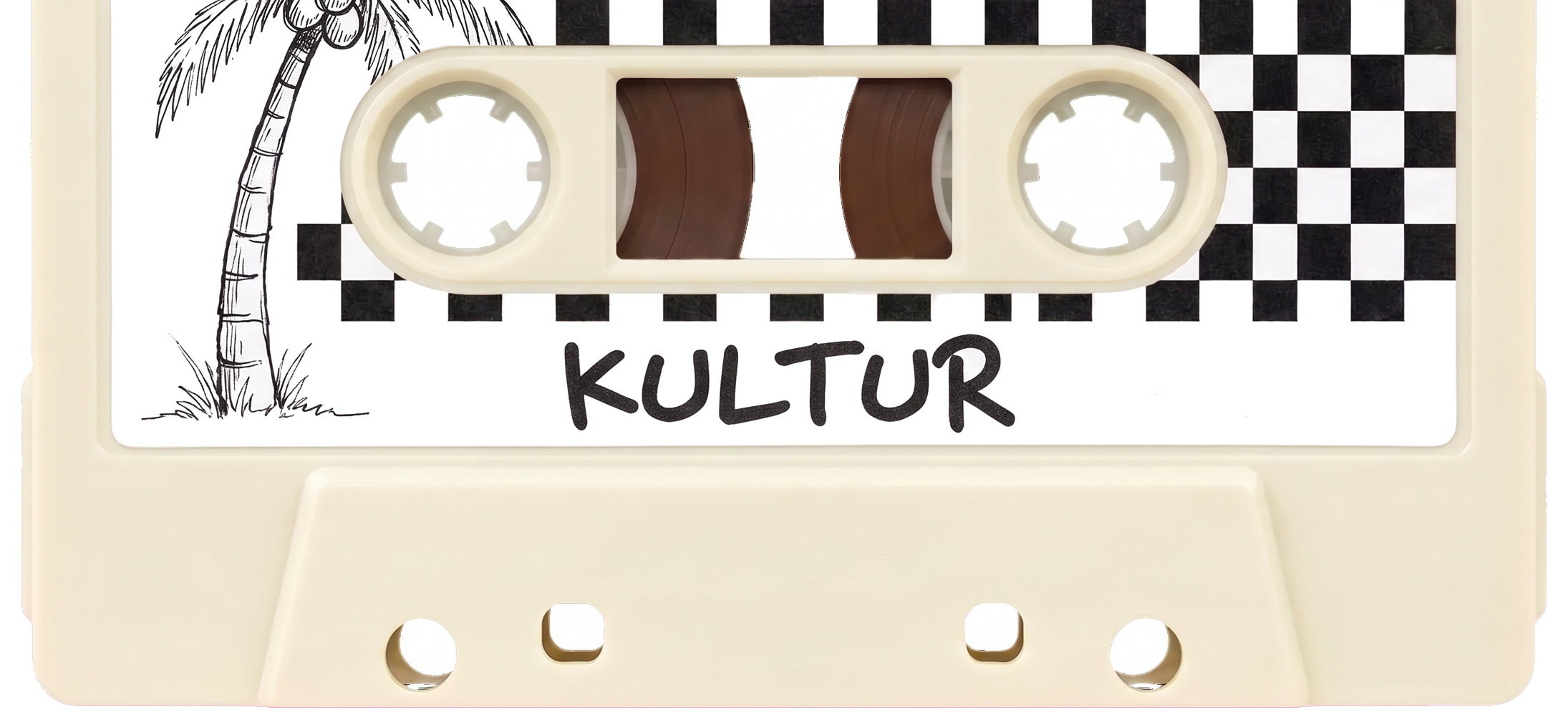
KULTUR · MONSTER XL · SIDE A
BARNZ — C-120 · TYPE II · 300 TUNES
ARCHIVE MIX — IMAGE SPREAD
[SPREAD NOTE — EDIT ME]
KULTUR // KWIET NOISE — MAIL ORDER DEPT.
WHY PAY MORE?
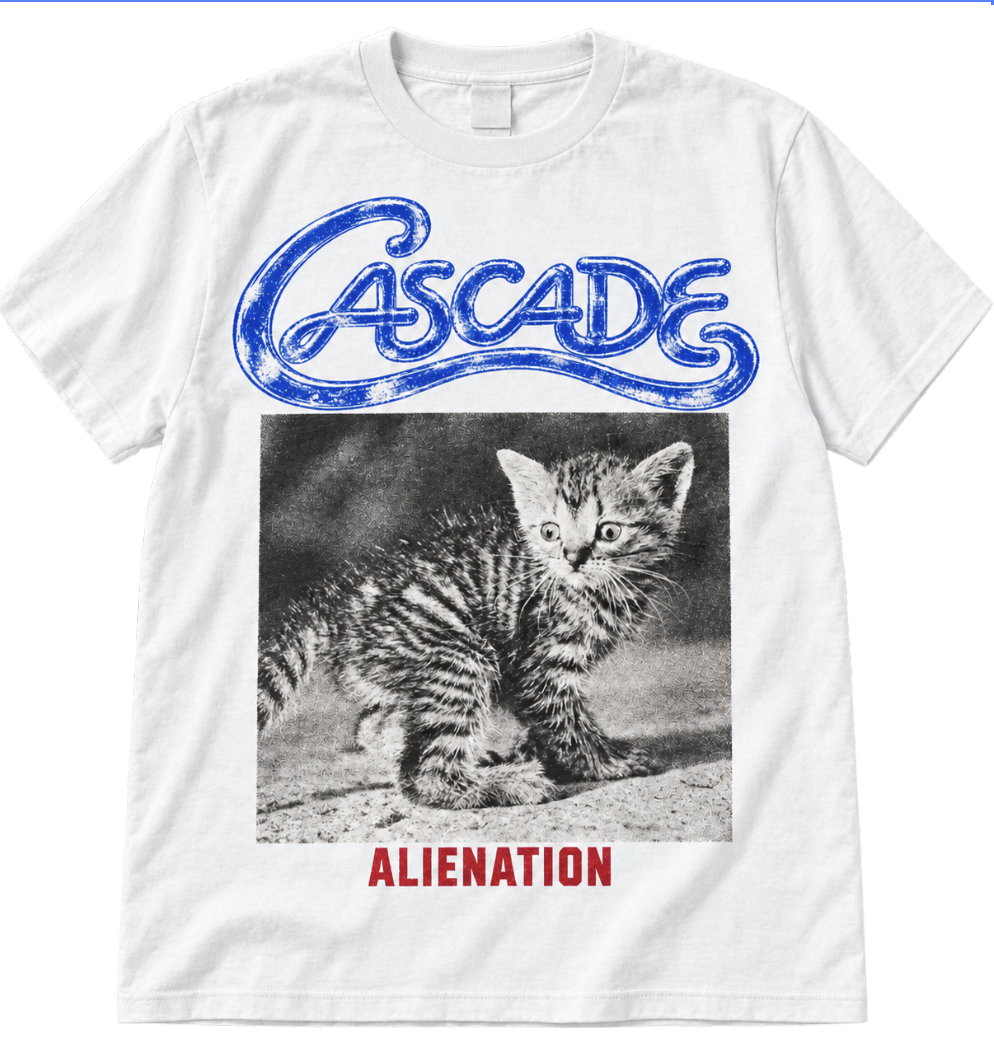
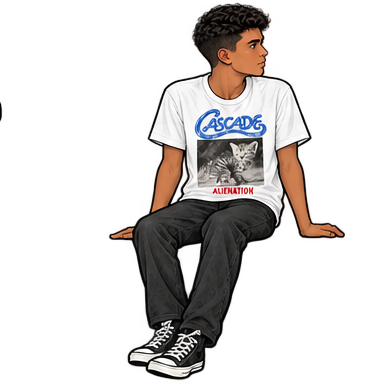
WBLX CAT. NO. WBLX-06-001
[FABRIC — EDIT ME]
[PRICE — EDIT ME]
[CONCEPT — EDIT ME]
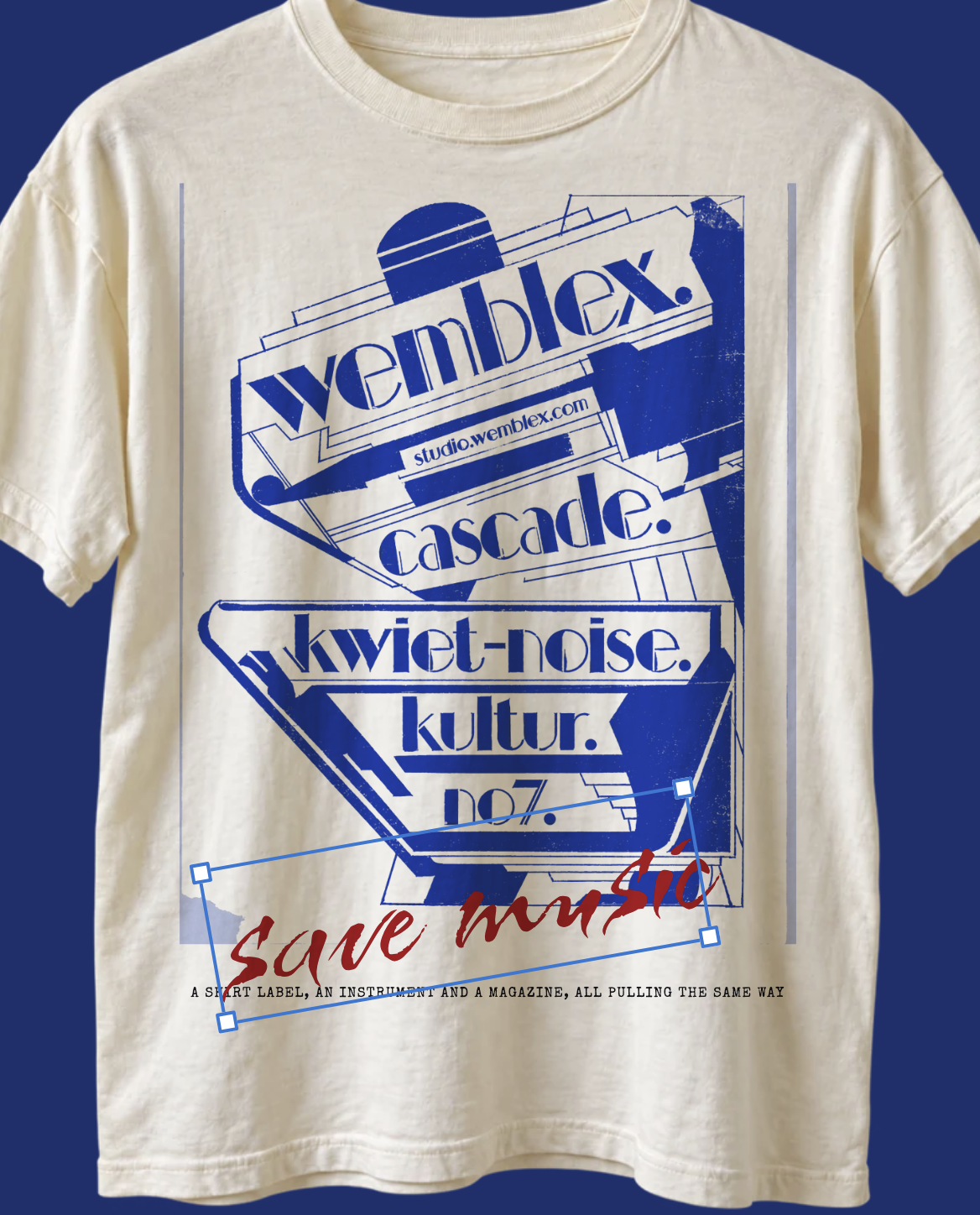
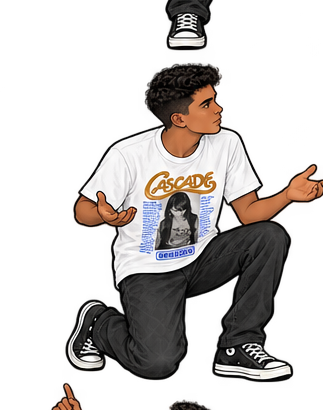
WBLX CAT. NO. WBLX-06-002
[FABRIC — EDIT ME]
[PRICE — EDIT ME]
[CONCEPT — EDIT ME]
[ORDER DETAILS — EDIT ME] // [SIZES — EDIT ME] // [POSTAGE — EDIT ME]
KULTUR // KWIET NOISE — MAIL ORDER DEPT.
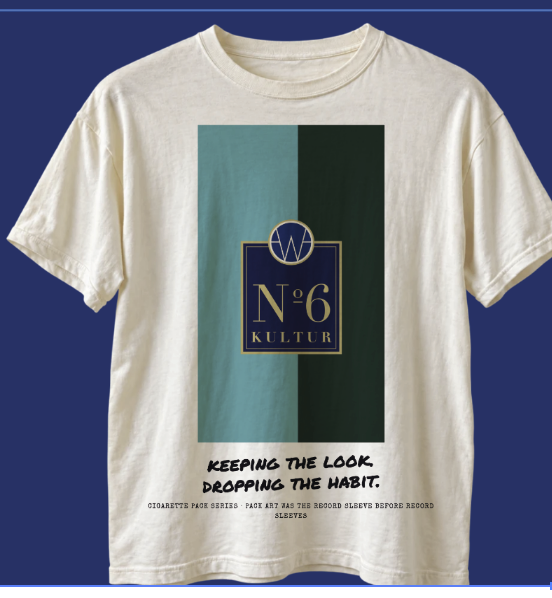
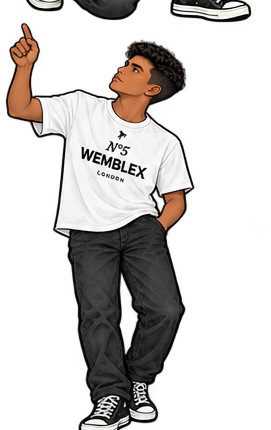
WBLX CAT. NO. WBLX-06-003
[FABRIC — EDIT ME]
[PRICE — EDIT ME]
[CONCEPT — EDIT ME]
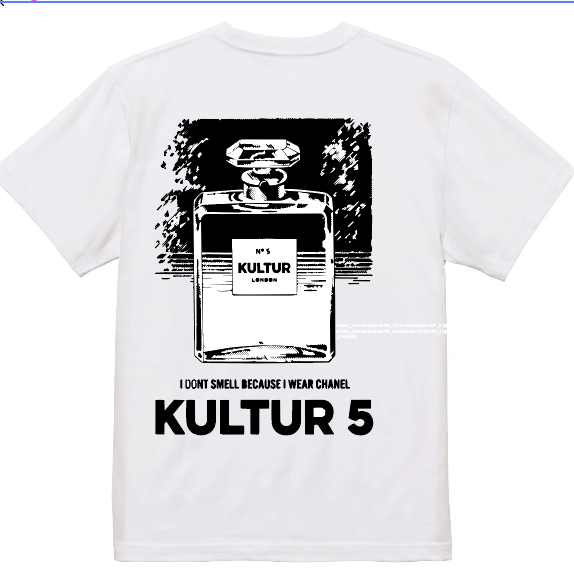

WBLX CAT. NO. WBLX-06-004
[FABRIC — EDIT ME]
[PRICE — EDIT ME]
[CONCEPT — EDIT ME]
✂ CUT ALONG DOTTED LINE
CAT. NO.
SIZE
COLOUR
QTY
[SEND CHEQUES & P.O.s TO — KULTUR, EDIT ME]